- Global Market, Gold Market, US Market
- September 15, 2026
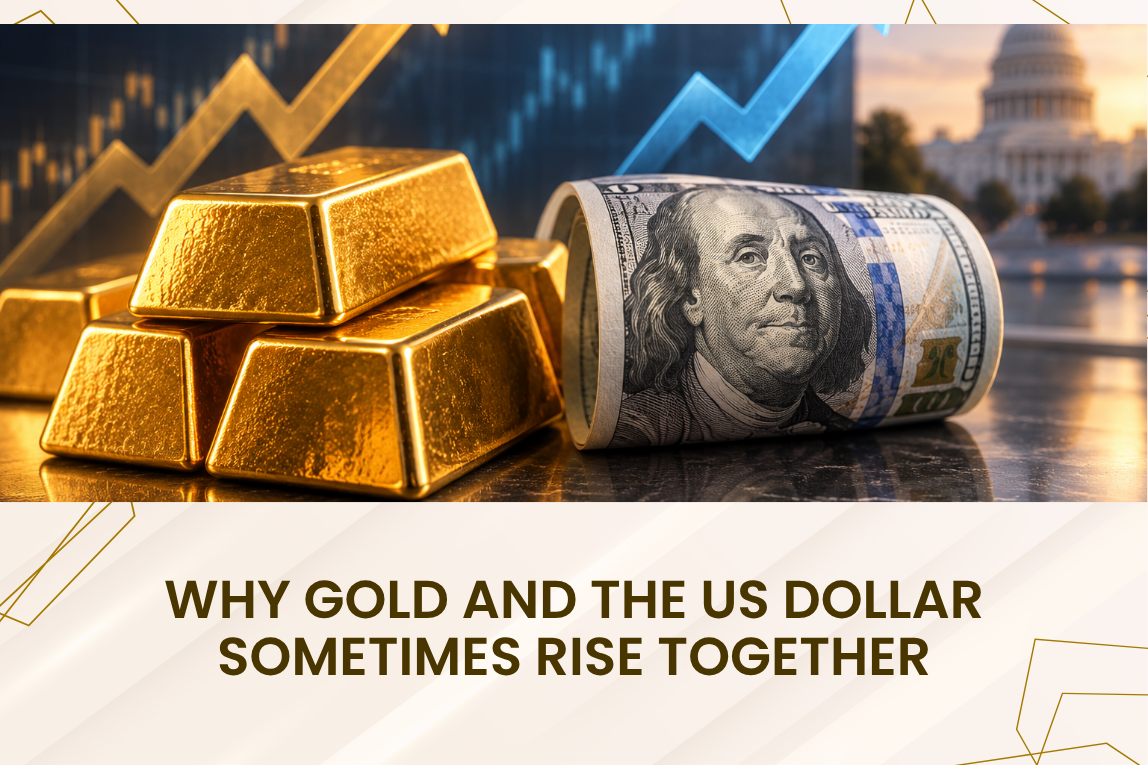
Why Gold and the US Dollar Sometimes Rise Together
Gold and the US dollar are often described as moving in opposite directions. That is a useful rule of thumb, but it is not a law. There are periods when gold and the dollar rise at the same time. This can seem contradictory because gold is commonly priced in US dollars, but both assets […]
Read More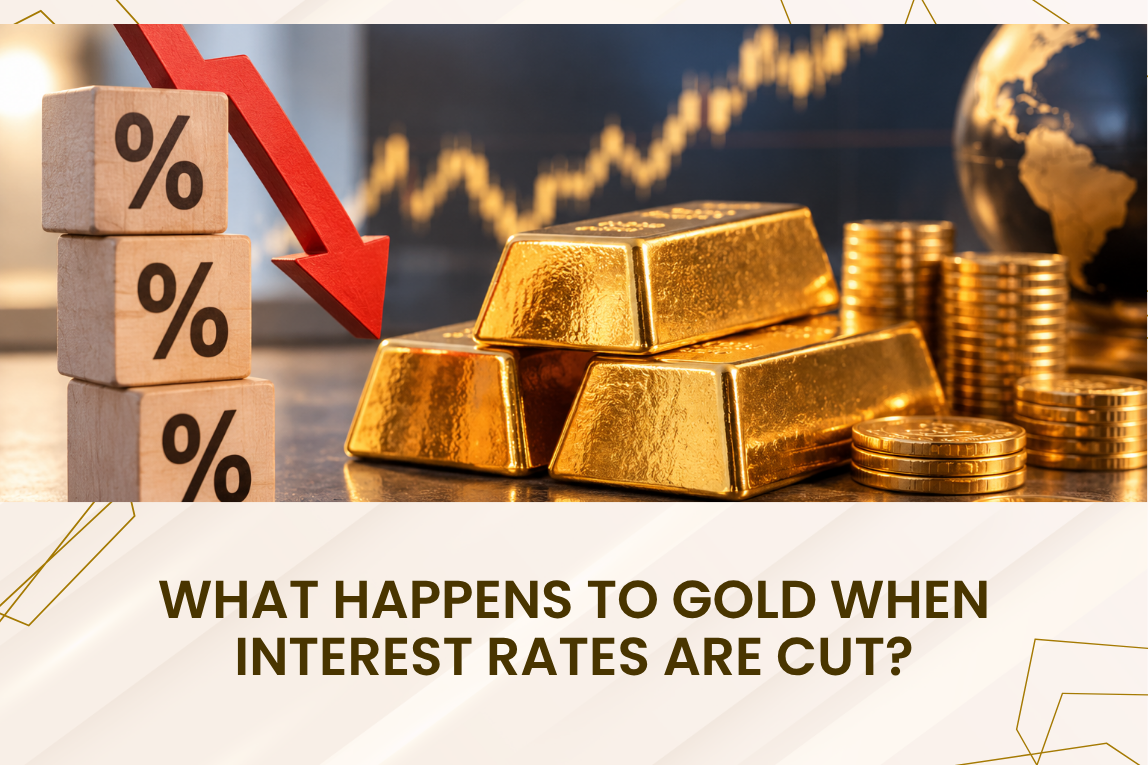
- Global Market, Gold Market
- September 15, 2026
What Happens to Gold When Interest Rates Are Cut?
Interest-rate cuts are often described as positive for gold. The basic logic is easy to understand: when returns on cash and bonds fall, the opportunity cost of holding a non-yielding asset such as gold can fall as well. But the relationship is not automatic. Gold can rise before a cut, fall after one, or move […]
Read More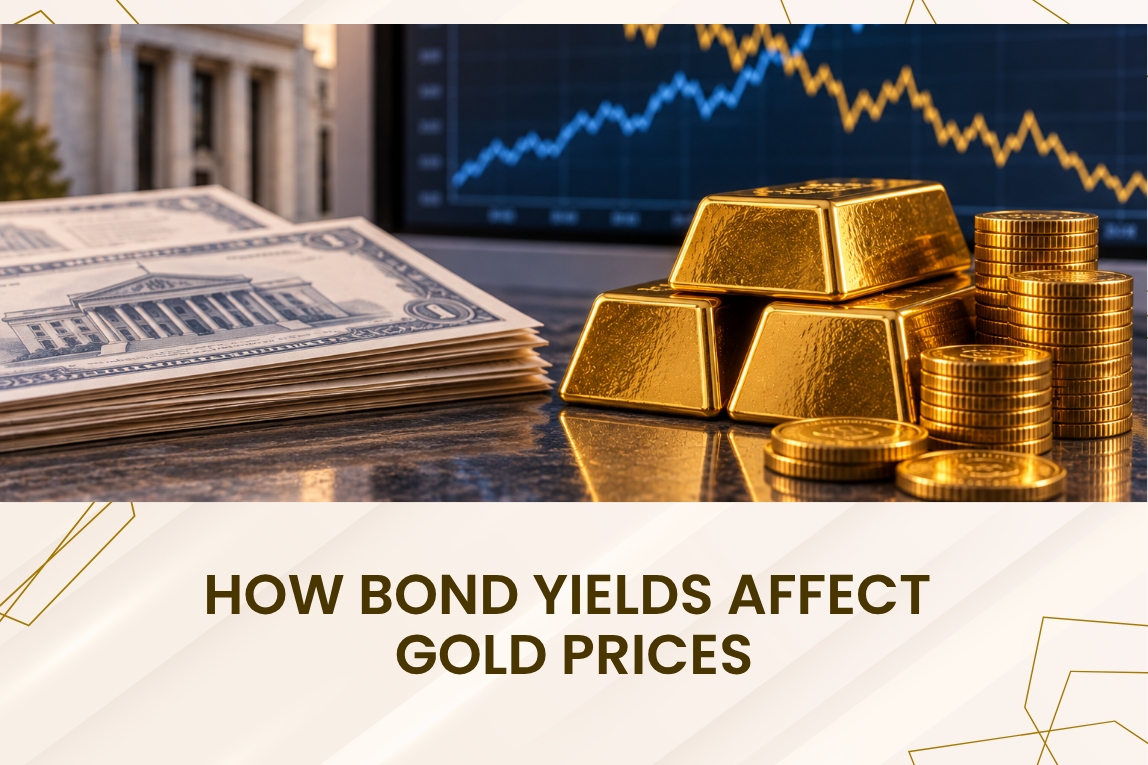
- Global Market, Gold Market
- September 13, 2026
How Bond Yields Affect Gold Prices
Bond yields are one of the most closely watched influences on gold because they affect the return investors can earn from interest-bearing assets. When yields rise, bonds can become more competitive with gold. When yields fall, the opportunity cost of holding gold can decrease. The relationship is important, but it is not mechanical. To […]
Read More
- Global Market, Gold Market
- September 13, 2026
How Real Interest Rates Affect Gold Prices
Real interest rates are one of the most important concepts for understanding gold. They help answer a simple question: after allowing for inflation, what return can an investor earn from holding a relatively safe interest-bearing asset? Because gold does not pay a coupon or interest, changes in real yields can alter the opportunity cost […]
Read More
- Global Market, Gold Market
- September 13, 2026
How Inflation Affects Gold Prices
Gold is often described as an inflation hedge, but the relationship between inflation and gold prices is more complicated than that phrase suggests. Rising consumer prices can support demand for gold, especially when people are worried about the purchasing power of money. Yet high inflation can also lead to higher interest rates and higher bond […]
Read More
info@goldrates.com
GoldRates provides current gold prices, market data, historical trends and practical tools to help users value gold and understand buying and selling price differences across major global currencies.
© GoldRates, All Rights Reserved.
Disclaimer: GoldRates.com provides information for general purposes only. Prices, market data and news may change without notice. GoldRates does not provide financial or investment advice. Users should conduct their own research before making financial or investment decisions.