
- Global Market, Gold Market
- September 21, 2026
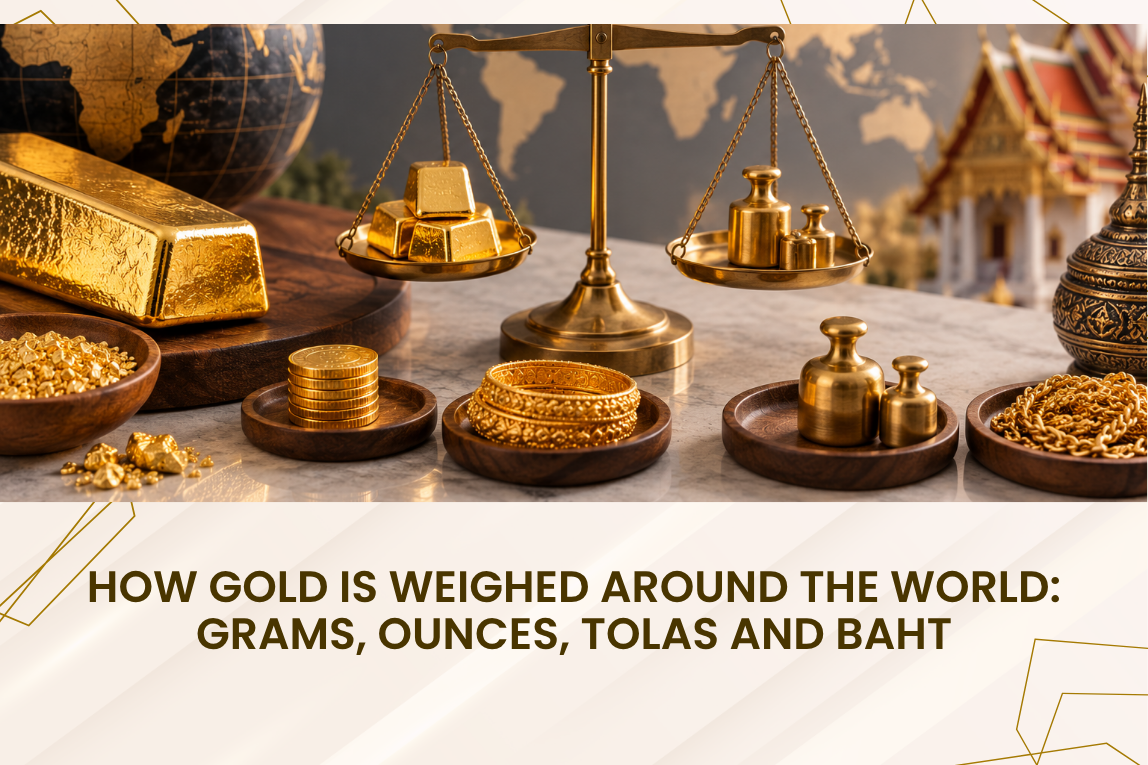
How Gold Is Weighed Around the World: Grams, Ounces, Tolas and Baht
Gold is traded globally, but not every market talks about its weight in the same way. International bullion markets usually quote gold in troy ounces, while retail buyers in many countries think in grams. South Asian markets often use the tola, and Thailand has its own traditional baht-weight system. These units can make prices […]
Read More
- Global Market, Gold Market
- September 21, 2026
How Exchange Rates Affect Gold Buyers
When people think about the price of gold, they usually focus on whether gold itself is rising or falling. For buyers outside the United States, there is another important variable: the exchange rate. Because international gold is usually quoted in US dollars, a buyer’s local currency can make gold cheaper or more expensive even […]
Read More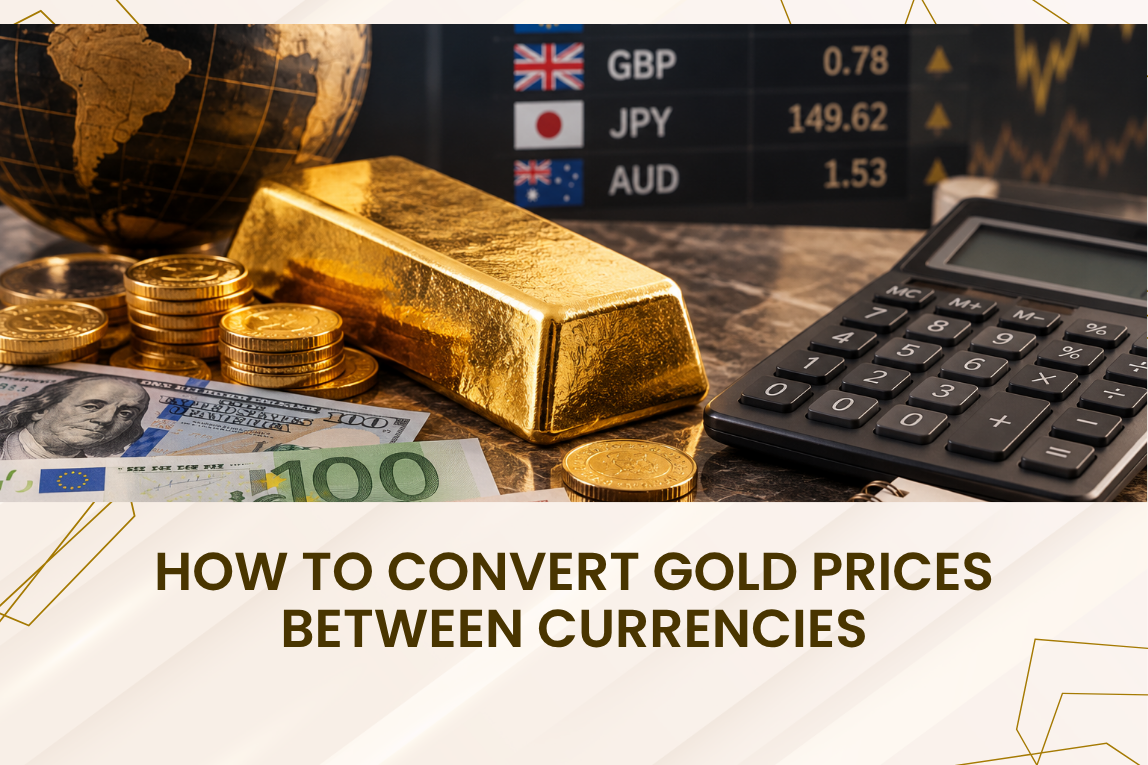
- Global Market, Gold Market
- September 21, 2026
How to Convert Gold Prices Between Currencies
Gold is traded globally, but the international reference price is usually quoted in US dollars. If you buy or track gold in another country, converting that price into your local currency is one of the first steps in understanding what the metal is worth to you. The calculation is straightforward, but accurate conversion requires […]
Read More
- Global Market, Gold Market
- September 18, 2026
Why Local Gold Prices Can Move Even When the Global Price Does Not
It is entirely possible for the international gold price to remain almost unchanged while the price quoted by a local dealer moves noticeably. That does not necessarily mean the local market is disconnected from the global market. The international price is only the starting point. Local gold prices also reflect currencies, premiums, taxes, availability, […]
Read More
- Global Market, Gold Market
- September 18, 2026
How Currency Movements Affect Local Gold Prices
Gold has a global market price, but buyers do not experience that price in the same way everywhere. A person buying gold in India, the United Kingdom, Japan, or South Africa may see the local gold price rise even when the international US-dollar price is barely moving. The reason is exchange rates. Because the […]
Read More
info@goldrates.com
GoldRates provides current gold prices, market data, historical trends and practical tools to help users value gold and understand buying and selling price differences across major global currencies.
© GoldRates, All Rights Reserved.
Disclaimer: GoldRates.com provides information for general purposes only. Prices, market data and news may change without notice. GoldRates does not provide financial or investment advice. Users should conduct their own research before making financial or investment decisions.