
- Global Market, Gold Market
- September 23, 2026
Pure Gold vs Jewellery Gold: What Is the Difference?
Gold jewellery can be described as 24K, 22K, 18K, or 14K, while investment bars may be marked 999 or 999.9. All of these can be genuine gold products, but they do not contain the same proportion of gold. The main difference between pure gold and jewellery gold is alloying. Pure gold contains almost entirely […]
Read More
- Global Market, Gold Market
- September 23, 2026
Why Gold Jewellery Is Not Usually Made From 24K Gold
24-karat gold has the highest gold content among the karat grades commonly sold. Yet many rings, bracelets, chains and gemstone settings use 22K, 21K, 18K or 14K gold instead. The main reason is practicality. Near-pure gold is relatively soft, so jewellery made from it can scratch, dent or bend more easily. Mixing gold with other […]
Read More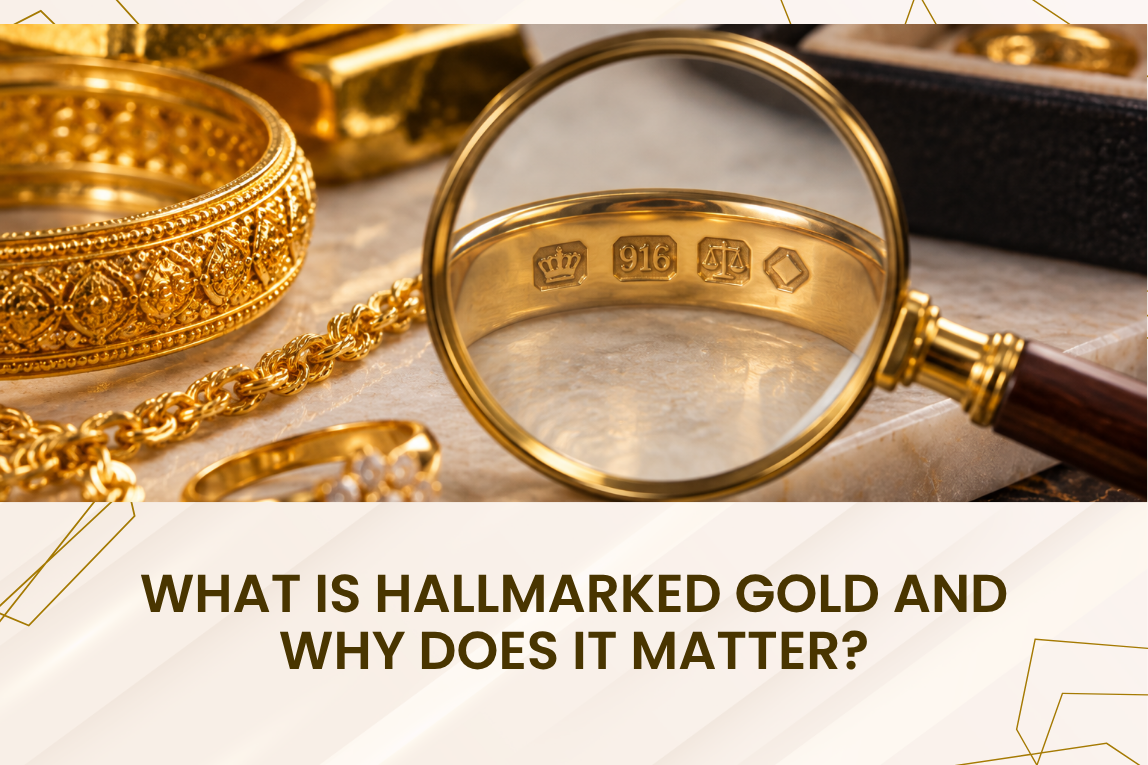
- Global Market, Gold Market
- September 21, 2026
What Is Hallmarked Gold and Why Does It Matter?
A piece of gold jewellery can look genuine without containing the amount of gold the buyer expects. That is why hallmarking exists. A hallmark is an official or legally recognised mark that provides information about the precious-metal content of an item. In systems that use independent assaying, it gives buyers greater confidence that the […]
Read More
- Global Market, Gold Market
- September 14, 2026
How to Calculate the Pure-Gold Content of Jewellery
A gold necklace can weigh 30 grams without containing 30 grams of pure gold. Most jewellery is made from an alloy, meaning gold is mixed with other metals to improve strength, colour or workability. To estimate the amount of pure gold in a piece, you need two things: its weight and its purity. The […]
Read More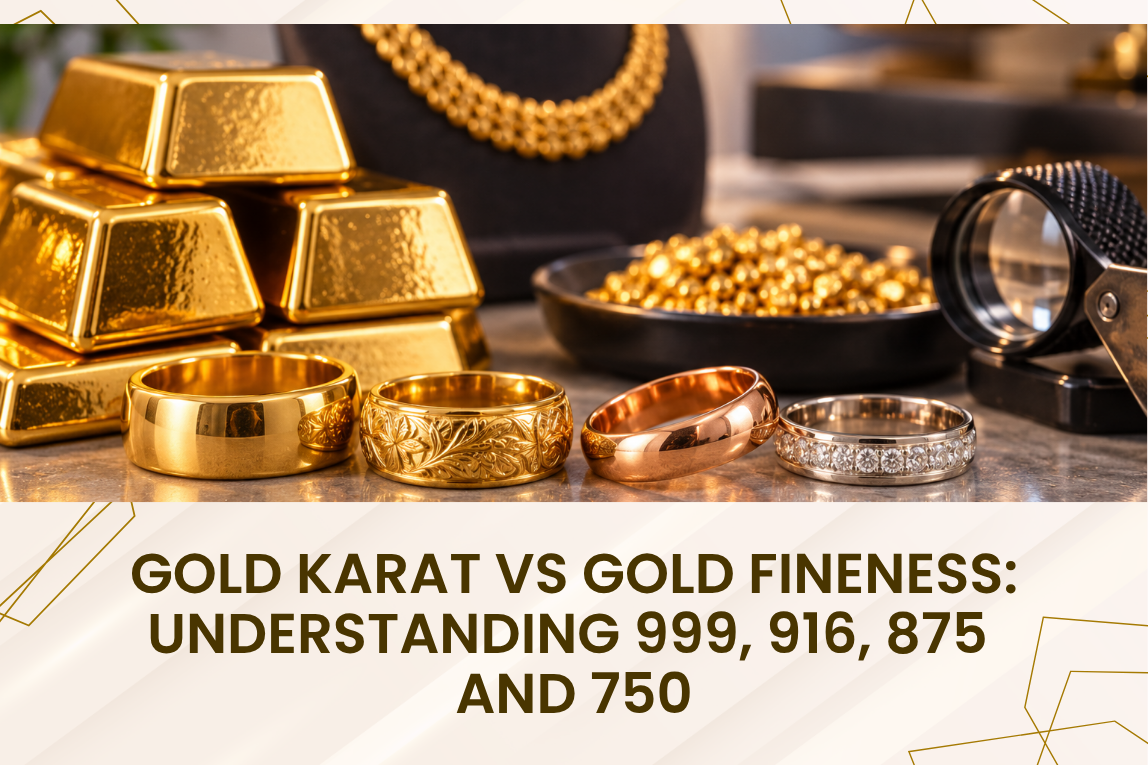
- Global Market, Gold Market
- September 14, 2026
Gold Karat vs Gold Fineness: Understanding 999, 916, 875 and 750
Gold purity is often described in two different ways. One jeweller may call a piece 22K gold, while another may stamp it 916. An 18K ring may carry a 750 mark. These numbers are not competing standards. They are two ways of expressing how much pure gold is contained in an alloy. Understanding both […]
Read More
info@goldrates.com
GoldRates provides current gold prices, market data, historical trends and practical tools to help users value gold and understand buying and selling price differences across major global currencies.
© GoldRates, All Rights Reserved.
Disclaimer: GoldRates.com provides information for general purposes only. Prices, market data and news may change without notice. GoldRates does not provide financial or investment advice. Users should conduct their own research before making financial or investment decisions.